
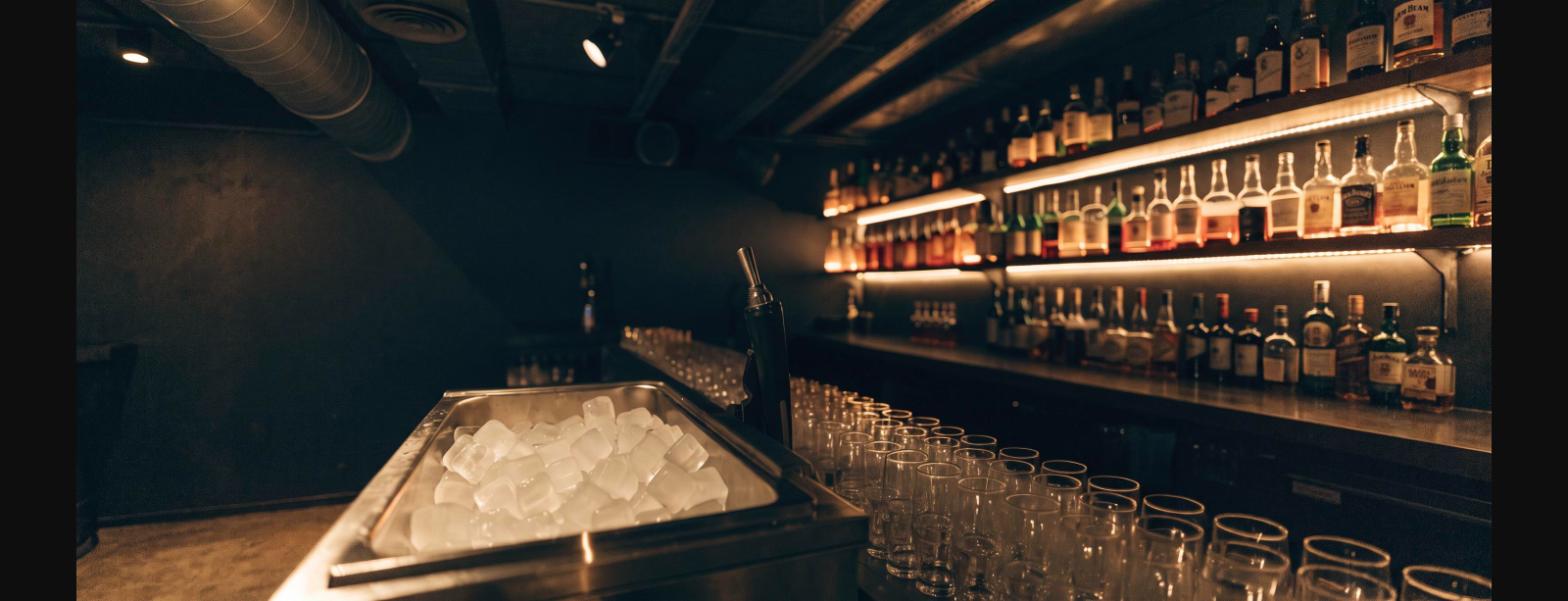
A bar audits everything. Pour counts, keg yields, liquor cost, labour per cover. The one input nobody puts a number against is the one going into most of what leaves the well: water.
It is in every soda gun pour, every cube of ice, the coffee, and the final rinse on every glass. If it is bad, it is bad in hundreds of drinks a night, and the complaints arrive as something else entirely — “the Coke tastes funny,” “my glass is cloudy,” “this beer is flat.”
Where It Actually Costs You
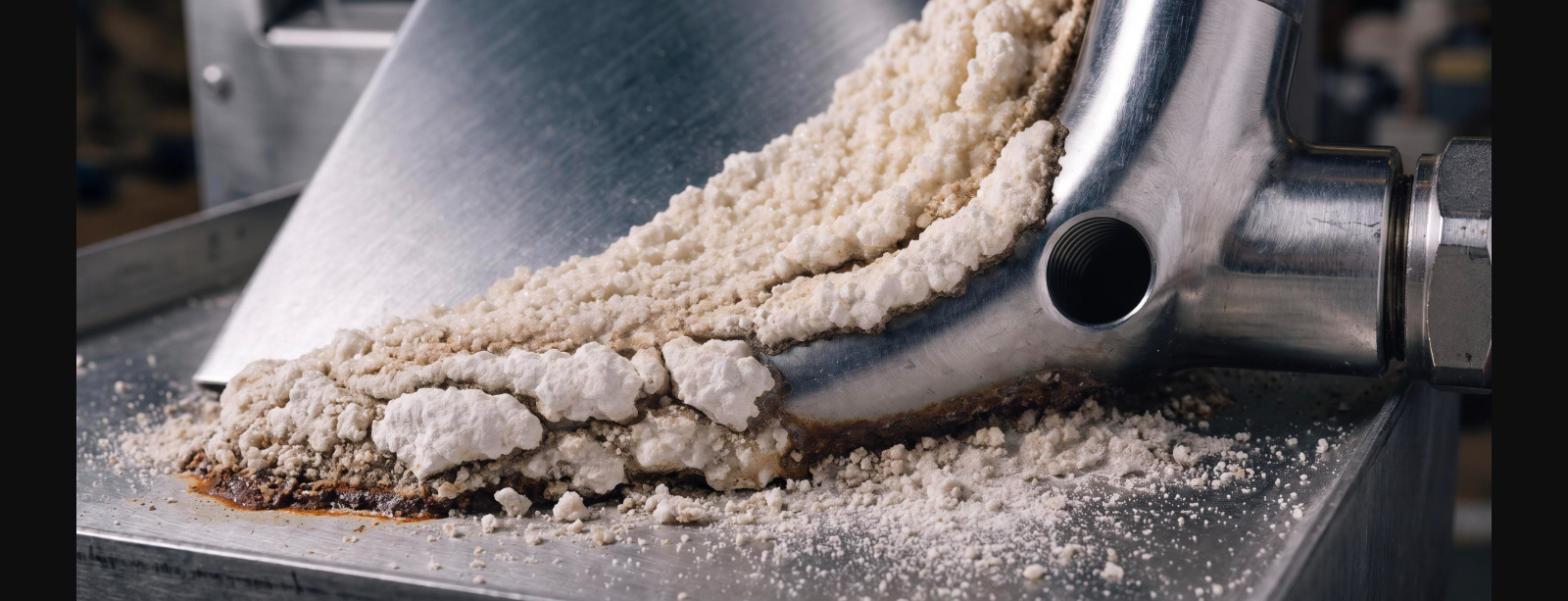
The ice machine is the expensive one. Dissolved calcium and magnesium precipitate out as scale on the evaporator, and scale is an insulator — the machine works harder for less ice, runs longer, and eventually fails early. An ice machine is a five-figure appliance being slowly destroyed by something you can filter for a fraction of that.
Then taste. Municipal water is treated with chlorine or chloramine, and both carry through into fountain soda and anything you brew. Chloramine is the more stubborn of the two and does not simply gas off the way chlorine does — it needs the right media to remove.
Glassware is the visible one. Those spots on a pint glass after it dries are dissolved minerals left behind when the water evaporates. Guests read spotted glassware as dirty glassware, and no amount of detergent fixes a mineral problem.
There Is No Single Filter
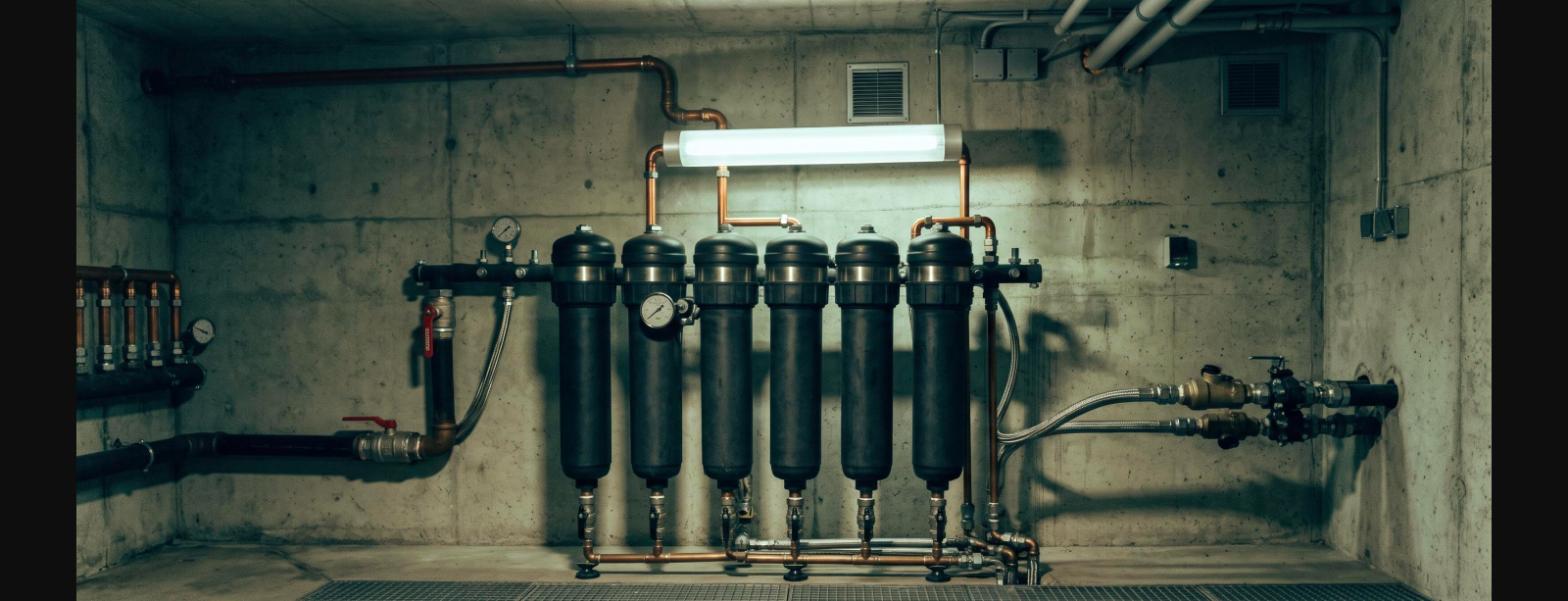
This is where most operators go wrong. They buy “a filter,” plumb it in, and assume the problem is handled. But filtration is a category, not a product — sediment, carbon, scale inhibition and reverse osmosis all do different jobs, and the one your ice machine needs is not the one your espresso setup needs.
A rundown of the commercial water filtration systems in common use is worth reading before you spec anything, because the failure mode here is paying for the wrong filter and believing you are covered.

Watch: What Is Ice Filtration and How Does It Work? (YouTube)
Before You Buy Anything
Get your water tested. Hardness and chlorine levels vary enormously by municipality, and what works in one county is wrong in the next. Your supplier will often do this free, and it turns the decision from guesswork into a spec.
Then actually change the cartridges. A filter past its service life is not neutral — it stops adsorbing and can start releasing what it captured. Put it on the same schedule as line cleaning so it does not get forgotten in the weeds of a Saturday.
It is unglamorous, it is behind a wall, and no guest will ever compliment you on it. It also quietly determines whether your ice machine makes it to year eight.